
Formal ceremonies for a person’s passing can come in various forms, and you would no doubt have heard multiple terms used. Between a wake, a viewing, and a funeral, what exactly differs between each one? Here is what you need to know.
What is a Wake?
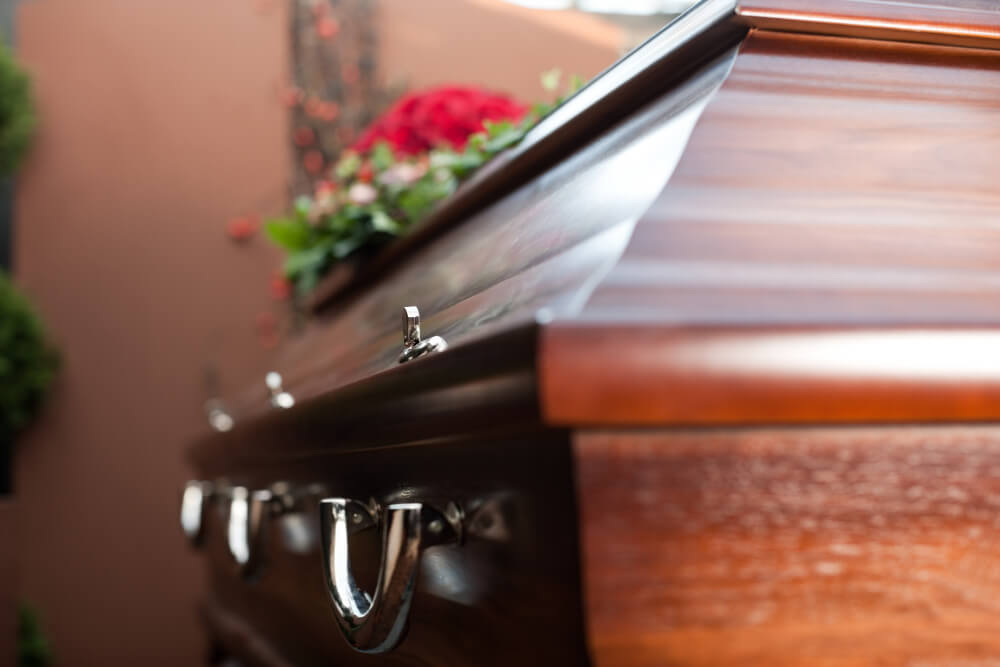
A wake is a social gathering held before the funeral, where friends and family gather to remember the deceased and offer prayers and comfort. A wake is typically held at home or on an HDB void deck, and the deceased is placed in an open casket dressed in their best clothes. While some elements of a wake may differ across cultures and religions, they share a similar role: honouring the deceased’s passing and providing space to bid one’s final farewells.
A wake typically has a more relaxed atmosphere where friends and family can come together to bond and reminisce about their time spent with the deceased. Some religious ceremonies and rituals may also be performed, typically aimed at ensuring the deceased’s spirit can make a peaceful transition to the afterlife. Condolence money (pek kim) may also be collected in certain cultures to help the deceased’s family cover the funeral expenses.
What is a Funeral?
A funeral is a formal ceremony where family and friends bid their final farewells to the deceased before the body is buried or cremated. It is held at a place of worship, a funeral home, or at home, and requires mourners to dress in formal wear in respect for the deceased. It is also held a day or two after the deceased has passed, usually a day or two after the wake.
A funeral involves rites and rituals that honour the deceased and help families come to terms with the passing of a loved one or close friend. The funeral celebrates the life of the deceased, offers prayers for the deceased’s soul, and allows mourners to cherish the time spent together. Oftentimes, the deceased’s family or close friends will present a eulogy, a personalised speech that reflects on their memories of the deceased. As the ceremony ends, pallbearers will carry the casket to the designated grave site or to a hearse that will transport it there.
Viewing vs. Wake: What is the Difference?
While wakes are more commonly held in Singapore, viewings have been held occasionally. Are there any differences between the two?
What is a Viewing?
Viewings, also known as visitations or calling hours, are typically shorter than wakes (though some can last a few days). While a viewing is held before the funeral, much like a wake, a viewing is a smaller, more informal social gathering that takes place after a mortician has prepared the deceased’s body.
How Different Are Viewings Compared to Wakes?
The key difference between wakes and viewings is that wakes are more private affairs. In contrast, viewings are generally public and allow visitors to offer condolences and comfort to the deceased’s family. They are usually announced in a local newspaper or on social media and held at a funeral home, while wakes are open only to select individuals or groups.
Additionally, during a viewing, the deceased’s body may not be present or may be placed in a closed casket. If the deceased has been cremated, the cremated ashes may be stored in a ceremonial urn, eliminating the need for a casket. It may also be possible to schedule viewings right before the funeral, allowing people to attend the viewing instead of the funeral. Conversely, a wake features an open casket and is performed before the body is buried or cremated.
In most cases, viewings are held for public figures, where members of the public can visit the viewing location, pay their respects, and express their support to the deceased’s family. As such, families that prefer privacy would very much opt not to hold a viewing.
Wake Attire vs. Funeral Attire: What Should You Wear?
If you are attending a wake or a funeral, wearing the appropriate attire is of utmost importance. Dark colours are usually worn to represent mourning in various cultures, though muted tones that are not black (such as white and dark blue) may still be allowed. White is also associated with mourning and death, especially in Eastern cultures.
For wakes, most families tend not to focus on a dress code, but smart casual is a common choice for modesty and respect. However, there may be occasions when families request that visitors wear formal attire. Note that you should refrain from wearing shorts and sandals unless the family does not mind.
For funerals, formal wear is preferred, conveying solemn respect for the deceased and their family. Men can wear a black or dark-coloured suit with a matching tie and pants. Meanwhile, women can wear a conservative dress, suit, or matching blouse and skirt in appropriate colours. Women should also refrain from wearing gaudy accessories, makeup, or jewellery.
When deciding what to wear, here are some additional tips to keep in mind.
- Avoid wearing bright or neutral tones, as these colours typically represent joy and good tidings.
- Wear modest clothing. Avoid wearing anything too revealing, as it may be disrespectful and distracting.
- Be sure to prioritise your comfort, too, especially if you plan to stay for some time.
- Children should also wear modest, respectful clothing in dark or muted colours.
If you need to arrange a wake or a funeral, Affinity Funeral Service is here to help. We can help you plan a wake or funeral with the utmost compassion and respect for the departed. We can also make additional arrangements to ensure the ceremonies commence without complications.